
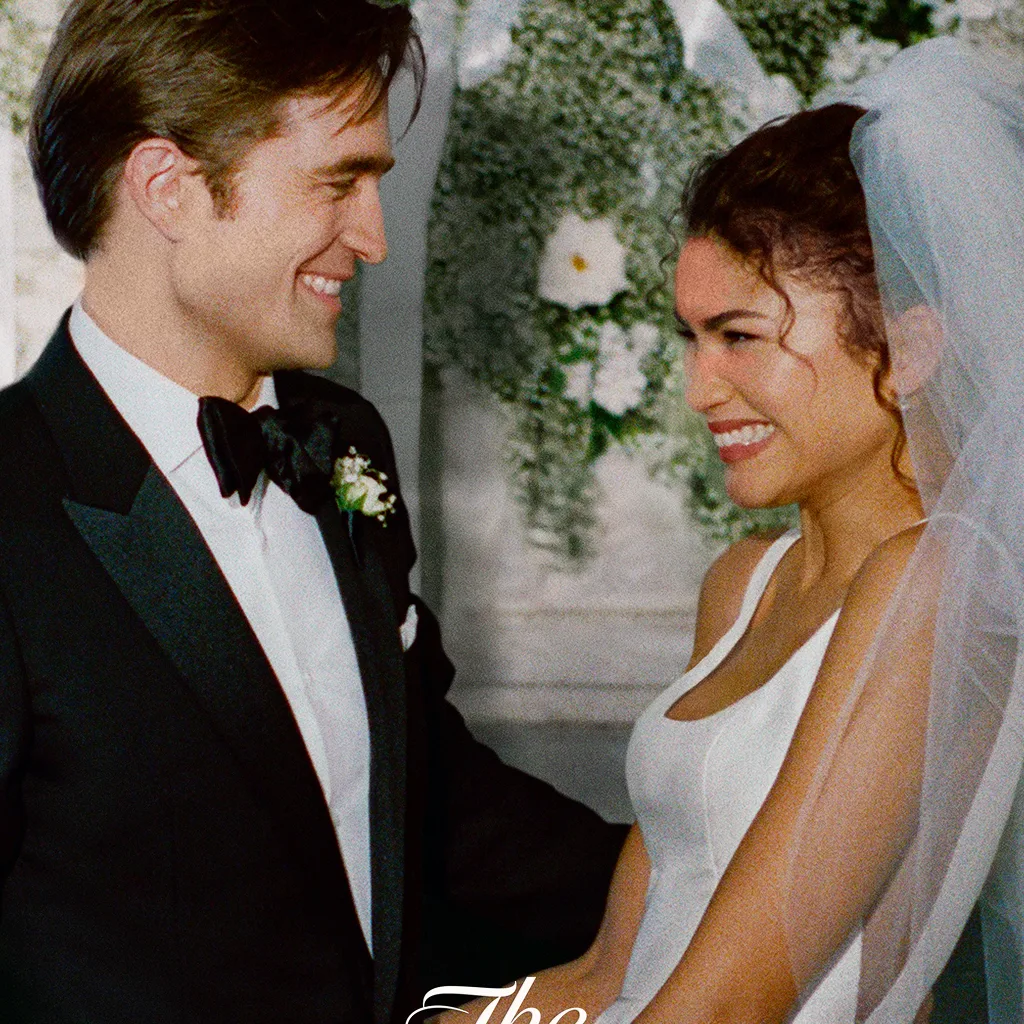
Full spoilers
For the spoiler-free version, see The Drama.
The Drama sits a group of friends around one confession too many, then makes you root for the person holding the darkest secret at the table. Kristoffer Borgli shoots the fallout so tight you feel the anxiety in your own chest.
The confession that breaks The Drama open is Emma admitting she planned a school shooting as a teenager, and the genius of the movie is that it makes her the most sympathetic person in the room anyway. That reveal, and the way everyone reacts to it, is the whole film, and it is why this lands as one of the sharpest things Borgli has made even when it stops short of greatness.
The confessions climb on purpose
Charlie and Emma are a week from their wedding when the night goes wrong. It starts small, the group catching their wedding DJ shooting heroin, and that ugliness cracks the evening open into a game of worst-things-we-have-done. Borgli sequences the fallout with real care, because he understands that the order things come out in is the entire trick.
Mike goes first, admitting he once used an ex-girlfriend as a human shield during a dog attack. Cowardly and grim, but the table laughs it off. Charlie confesses he cyberbullied a kid in high school so relentlessly the family had to leave town, and the room shifts, because that one leaves a mark. Then Rachel says she locked a mentally disabled child in an abandoned trailer closet and left him there, and the air goes out of the movie.
Then Emma. As a lonely fifteen-year-old she planned a school shooting, went into the woods with her father’s rifle and practiced so much, without ear protection, that she blew out an eardrum. That quirky “deaf in one ear” thing Charlie fell for on their first date is not a cute accident. It is the scar from rehearsing a massacre. She never went through with it, and the reason is the part that should end her: on the day she brought the gun to school, another shooter hit a local mall first, and she backed out because she did not want to be upstaged. Not conscience. Not fear. Timing. The tragedy then swept her into a gun-control group that handed her the friends and belonging she had been starving for, which quietly cured the thing driving her in the first place. In her own head she never pulled a trigger, so she never did anything wrong.
The reaction is the real subject
Here is the move that makes the film smart. Emma has just confessed the worst thing at the table by a mile, and she should be the villain. Instead your sympathy runs straight to her, because of how Rachel reacts. The woman who caged a disabled child erupts with the most righteous fury in the room, and the second she does, you are on Emma’s side. The Drama understands something genuinely uncomfortable about people: the worst person in the room is rarely the one with the worst secret. It is the one who is loudest about everyone else’s.
That idea is the engine, and Borgli keeps aiming it at the whole cast, hardest of all at Charlie. He forgave himself, years ago, for cruelty he committed and that uprooted a family, then finds he cannot extend an inch of grace to a teenager who never hurt a soul. He can live with what he did. He cannot live with what she only thought about. It is a devastating observation, and the film sees it with total clarity.
Charlie breaks down before you ever knew who he was
The middle stretch belongs to Charlie, and it is where the movie both impresses and frustrates. He cannot look at Emma without seeing the girl in the woods with the rifle, and Borgli puts that straight on screen, flashing violent images over ordinary domestic moments, warping focus, turning familiar rooms wrong. You do not watch a man come apart. You get dropped inside the coming-apart with him.
He spirals in public and badly. He makes a pass at a coworker and fails, gets into fights that leave him bruised, drinks, lashes out and refuses to say a single honest word to Emma, dumping all of it on friends instead. Pattinson commits to every ugly beat of it and the physical work is there. The trouble is underneath. The script never builds a Charlie from before the crisis, so you never see the relationship working, never feel the warmth being lost. When he shatters you believe the noise of it, you do not feel the grief, because you are watching a stranger crack. A quieter opening act, ten minutes of the couple being a couple, would have turned a convincing arc into a gut punch. The film had that better version in reach and left it on the table.
Zendaya holds the line
Zendaya is the reason all of this works, and it is the performance that moves her into a different bracket for me. Emma is an almost impossible role. She has to carry the worst secret at the table and still keep you on her side, with no scene built to make it easy. She gets no tearful apology, no monologue that walks you toward forgiveness. Emma does not think she did anything wrong, and Zendaya has the nerve to let that sit there, unresolved and uncomfortable, and never once beg you to understand.
The restraint is the whole game. When the table turns on her she does not plead. When Charlie pulls away she does not chase him with explanations. There is an earlier scene where she tries a stranger-at-a-bar roleplay to pull him out of his own head, something playful and a little desperate at once, and Zendaya walks the line between confident and vulnerable without tipping into either. The second she reaches for a safety net the whole moral tension collapses, and she never reaches. Alana Haim’s Rachel is the counterweight, the loudest conscience in the room, and she is written so relentlessly mean that she occasionally stops feeling like someone who was ever in this friend group. She works as the mirror the film needs. She just needed one more layer to fully land.
The camera does the talking
A film that lives almost entirely in dinner tables, living rooms and a diner booth has no business being this gripping for two hours, and the reason it is comes down to Borgli. The direction tracks Charlie’s state in real time. Early scenes sit stable and warm. As he loses his grip the frame starts turning on you, with focus shifts that should not be there and quick cuts to things that exist only in his head. It is never showy or effects-heavy. It is precise, and it is what keeps the second half alive when the plot is just people arguing in rooms.
The music hangs back on purpose, which is the right call, because a pushy score would have cheapened a movie that earns its dread through faces and silence. The sound mixing is clean and nothing to write home about. The real soundtrack here is the quiet between two people who cannot talk to each other anymore, and Borgli trusts it to do the work. The pacing never sags, not once, which for a film built on reaction shots is a genuine feat.
The ending is the argument
Borgli lands the whole thing in a diner. The wedding reception curdles, every toast one word away from disaster, and when it finally collapses a beaten-up, wrecked Charlie retreats to a diner Emma had mentioned much earlier, a tiny detail planted and paid off perfectly. Emma walks in, sits across from him, and introduces herself as if they have never met. It is the exact stranger game she offered him before and he was too disgusted to play. This time, a man who has torched his own moral high ground, tried to cheat, thrown punches and never managed one honest conversation, finally plays along. He introduces himself back. Cut to black.
The whole film clicks into place on that handshake. The Drama does not believe in radical honesty. It argues the opposite, that some things are better buried, and that the performance of a relationship, choosing to see the person you love as the version you fell for instead of the sum of every dark thing they have been, is what keeps it alive. Weddings are a performance. First dates are a performance. That roleplay is a performance. The movie’s position is that these are not lies, they are the deal you make with the people you choose. Even the deafness works this way, a cute character detail turned genuinely dark, which is what the film does to the whole idea of the picture-perfect couple. Whether the ending reads as cynical or romantic says more about you than about the movie, and that is the trap it was setting the entire time.
Where it stops short is ambition. It is razor sharp about hypocrisy, about how relationships survive on what we agree not to look at, and then it would rather sit in that discomfort than push the idea somewhere new. That is a fair choice, not every film owes you a thesis carved in stone, but one this perceptive about how people work clearly had a braver movie inside it, and you can feel the exact moment it settles for the expertly made version instead. That gap is the whole distance between 76 and something higher.
The Drama: 76/100
The Drama is cruel, precise and quietly devastating about how we forgive ourselves, with a career-shifting Zendaya at the center, a ghost of a braver film but still a really good movie.
Read the spoiler-free review →