
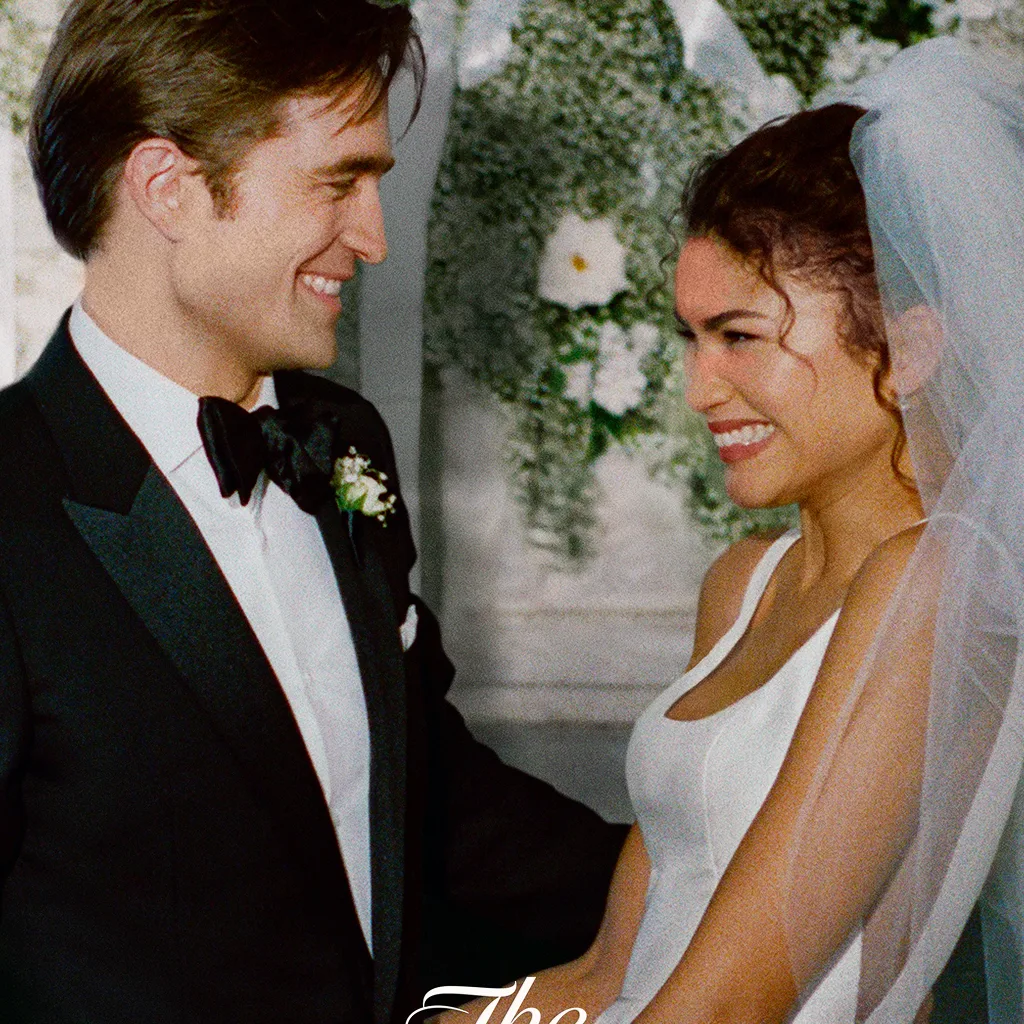
The Drama traps you at a rehearsal dinner where a party game goes horribly wrong, and Kristoffer Borgli follows the fallout with the kind of visual direction that keeps you locked in even when the movie isn’t trying to say anything huge.
One week before the wedding, Kristoffer Borgli lets an engaged couple and their friends start confessing the worst things they have ever done, and waits for the one that cannot be taken back. The Drama is a two-hour anxiety spiral that keeps you locked in without ever raising its voice, and it works far better than a film this driven by conversation has any right to.
The slow build that pays off
The premise sounds contained, a wedding a week out and a circle of friends owning up to their worst, and in weaker hands it would feel stagey. The first admissions are the wince-and-laugh kind, and Borgli lets you settle into that rhythm on purpose, because he wants you comfortable right before he pulls the floor out.
When the worst confession lands, it does not just expose the person who says it. It turns everyone else into a test. The movie understands something sharp about people: how you react to someone’s ugliest moment says more about you than the moment itself. One character detonates with such self-righteous fury that you swing, instantly, to the side of the person who just admitted the worst thing in the room. Borgli sees exactly where your sympathy runs and plays it against you the whole way.
Zendaya is the real deal
This is the performance that moves her up a tier for me. She has to be the most sympathetic person in the room and the most unsettling one at once, with no tearful monologue to bail her out. She never reaches for the safety net. She lets the character’s past sit there as a fact, refuses to make it easy, and that restraint is the entire reason the movie holds.
Robert Pattinson is the harder sell. He throws himself into the groom’s breakdown and the commitment is there, the problem is the script never shows you who this guy was before the crisis. You feel the anxiety, you do not feel the loss, because you never saw him whole. For an actor with his range, that is a waste.
The camera sells what the script can’t
Where the writing plays safe, the direction picks up the slack. Borgli puts intrusive thoughts on screen, warps focus, cuts to images that only exist in a character’s spiraling head, makes a familiar room feel wrong. You do not just hear that someone is coming apart. You feel it in how the frame behaves. That is what keeps this from dying the death every dialogue movie fears. The score hangs back, the mixing stays clean and unshowy, and both are the right call, because the tension lives in people and silence, not in a soundtrack telling you how to feel.
A good time, not a deep one
The pacing is tight. It never drags, not once, which for a film built on people reacting to each other is a real feat. You are always turning over whose side you are on, always re-checking whether the person you backed five minutes ago still deserves it.
Where it stops short is in having something bigger to say. It is razor sharp about hypocrisy, about how easily people forgive themselves for what they would crucify someone else over. It would just rather sit in the mess than make a point about it. That is fine, not every film needs to be profound, but one this smart about how people behave had a braver movie inside it, and you can feel the exact moment it settles for the expertly made ride instead.
The Drama: 76/100
The Drama is sharp, tense and beautifully directed, a ghost of a braver film but still a really good movie.
Read the spoiler review →